The Challenge
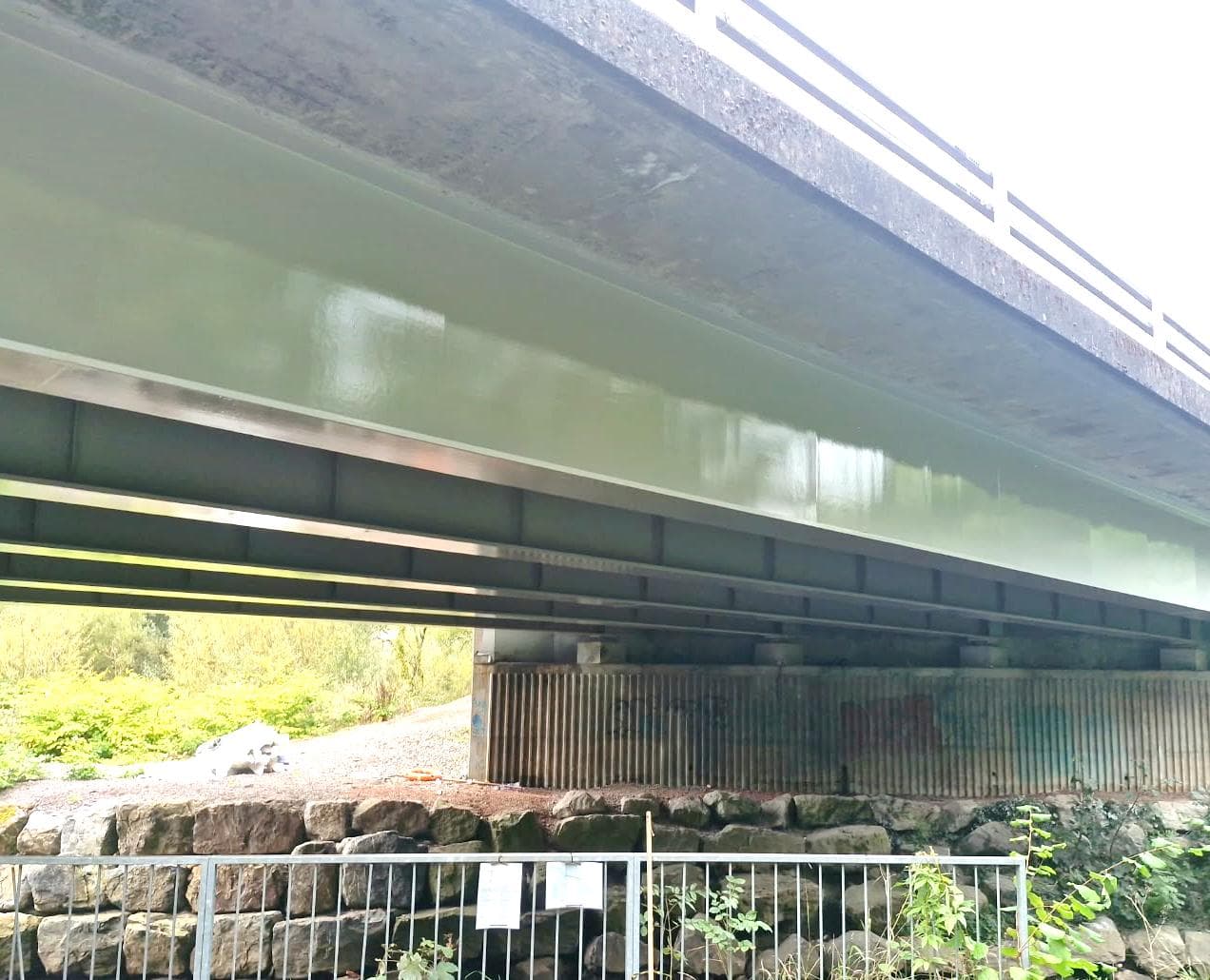
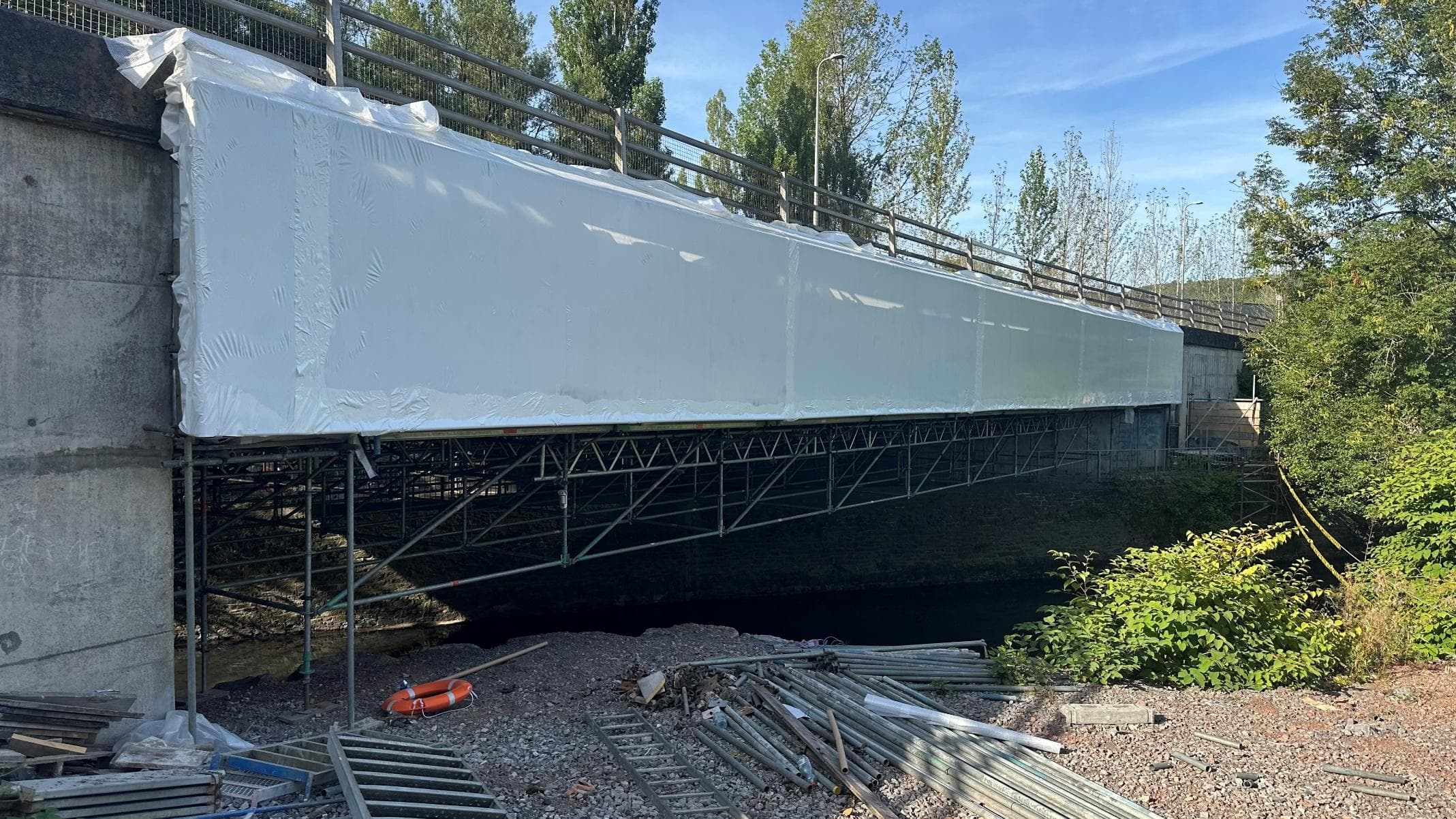
Afon Cynon Bridge is in Aberdare, Wales. Planned maintenance included bearing replacement and repainting. In spring 2025 concerns were raised about the lead in the paint.
Corrosion Management Ltd was asked to review a lab report and comment on the controls required for the lead. The report showed lead concentrations of 0.035% and 0.01%, much lower than the CLAW threshold of 1%.
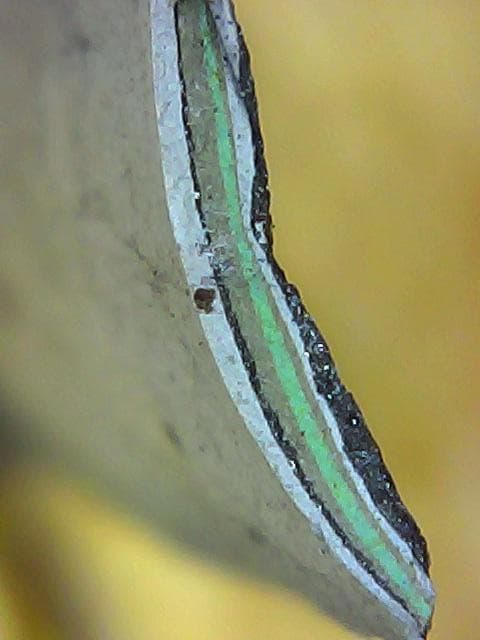
The primary concern was the chromium content, at 0.84% and 0.91%. Further sampling and analysis, recommended by Corrosion Management Ltd, found that the chromium was hexavalent, Cr(VI).
What is hexavalent chromium?
Chromium is a naturally occurring heavy metal, commonly found in trivalent, Cr(III), and hexavalent, Cr(VI), forms. Hexavalent chromium is any compound containing chromium in the +6 oxidation state. The extent to which Cr(VI) was used in paint is unknown; however, the SEEF laboratory in the Netherlands found that 42% of the highway bridges it tested contained Cr(VI) in the corrosion protection system.
What is the risk?
- Chromium(VI) is a recognised human carcinogen, particularly through inhalation. It can cause lung, nasal and sinus cancers.
- The International Agency for Research on Cancer (IARC) classifies chromium(VI) compounds as Group 1 carcinogens, meaning there is sufficient evidence of carcinogenicity in humans.
- By comparison, organic lead compounds are classified as probably carcinogenic, Group 2A. Exposure limits for Cr(VI) are three times lower than those for lead.
COSHH requirements
- Risk assessment: must explicitly consider all routes of exposure: inhalation, dermal contact and ingestion.
- Prevention and control: Regulation 7 sets the hierarchy of control measures, requiring exposure to be prevented or, where this is not reasonably practicable, adequately controlled.
- ALARP: keeping exposure as low as reasonably practicable is fundamental to COSHH compliance.
Our Solution
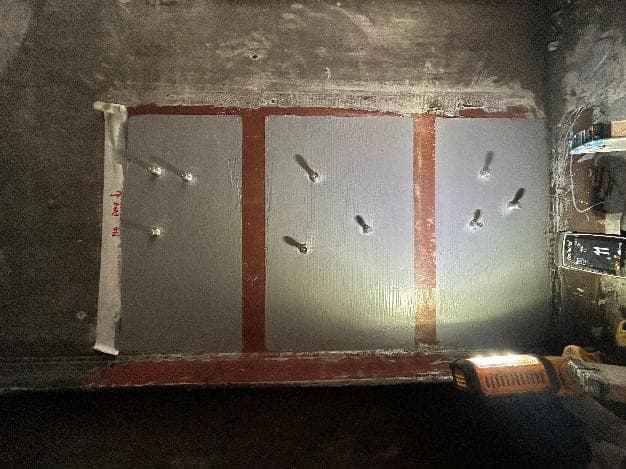
- Feasibility trials were carried out using RPR heat induction. This method removes the paint without atomising it, in line with ALARP principles. The trial was overseen and inspected by an ICorr Level 3 inspector.
- Following successful trials, in August 2026 Corrosion Management Ltd started removing the paint using RPR heat induction.
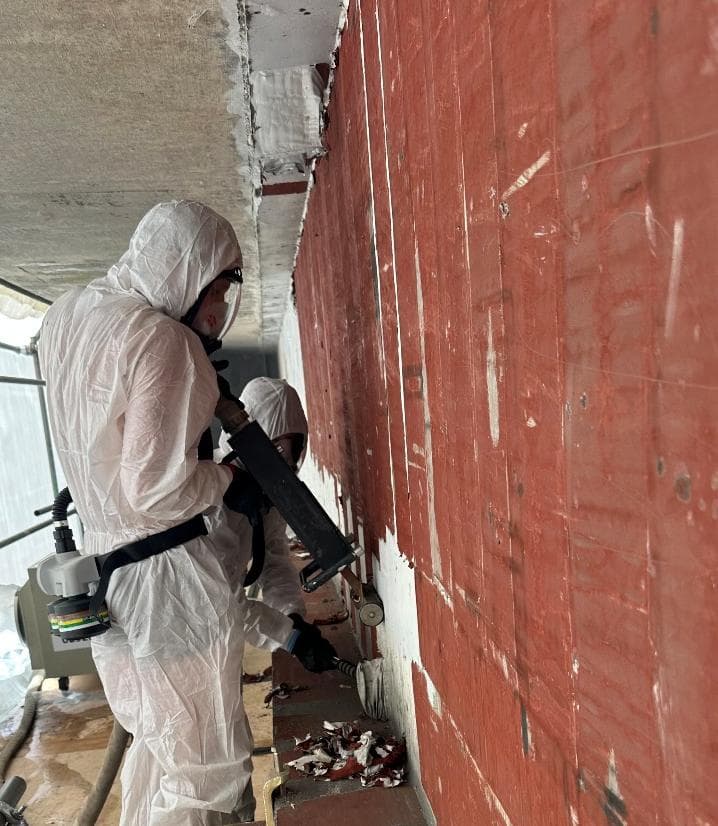
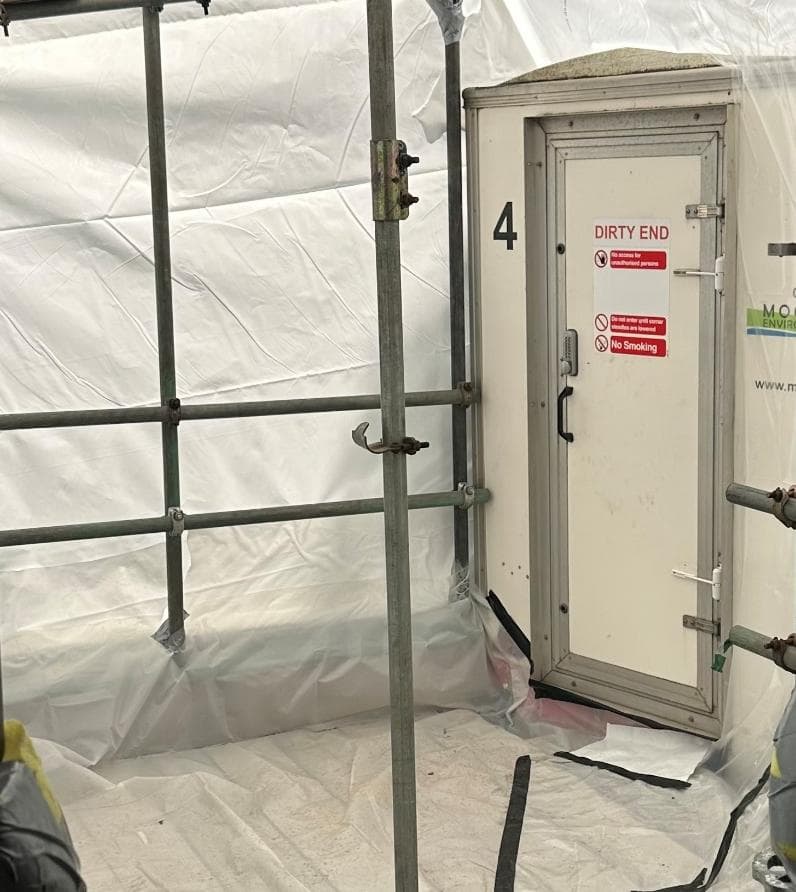
- A full decontamination process, like that used in asbestos removal, was adopted.
- Exposure levels were monitored with continuous air sampling and health surveillance.
- Where the RPR heat induction machine could not reach, needle guns were used to finish the preparation.
- Before any primer was applied, 100% of the surfaces were abraded and primed within 4 hours, as per CC487 Maintenance Painting of Steelwork.
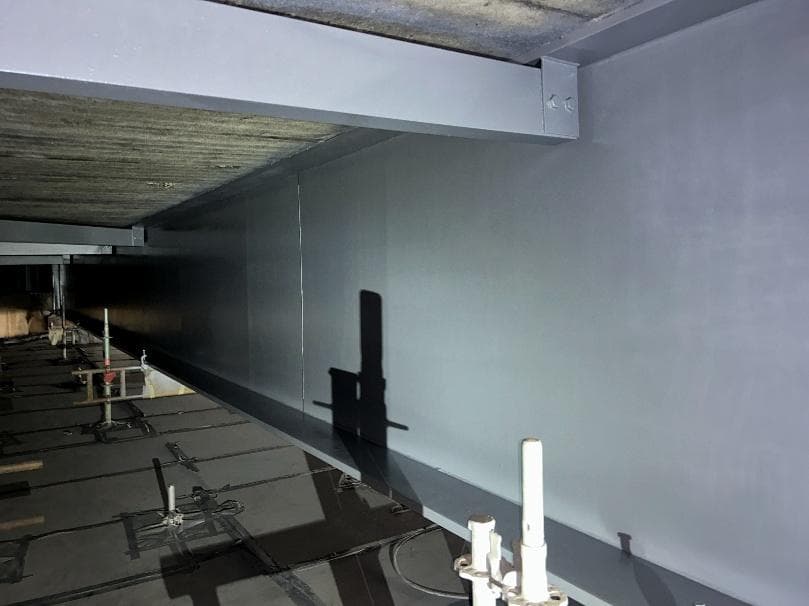
- Negative air extraction removed dust from the atmosphere, and all surfaces were vacuumed before painting.
Monitoring and results
- Once the steelwork was primed and sealed, the enclosure was fully decontaminated by vacuuming and wiping surfaces.
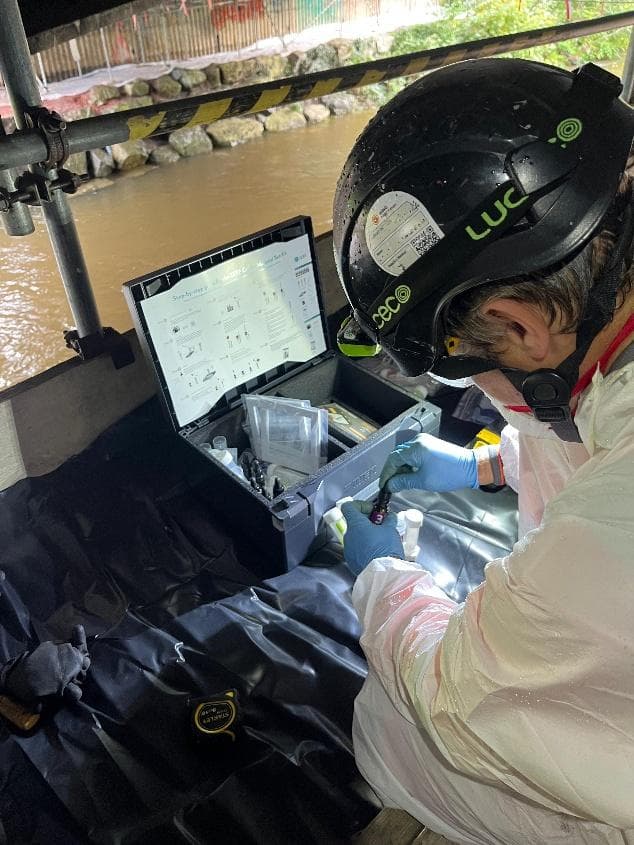
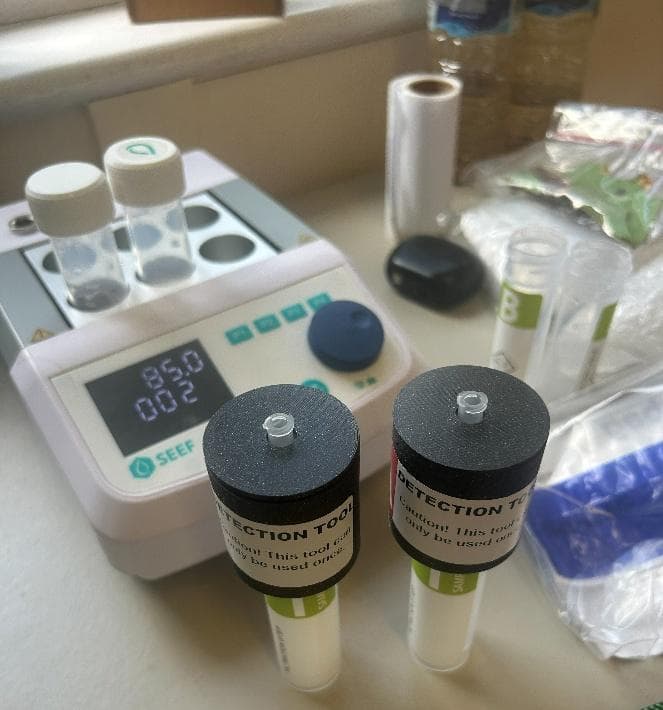
- Patented technology from the Netherlands was used to swab and test for residual traces of Cr(VI). The mobile lab provides results within 20 minutes, so the multiple tests needed across the area caused no delays waiting on lab results.
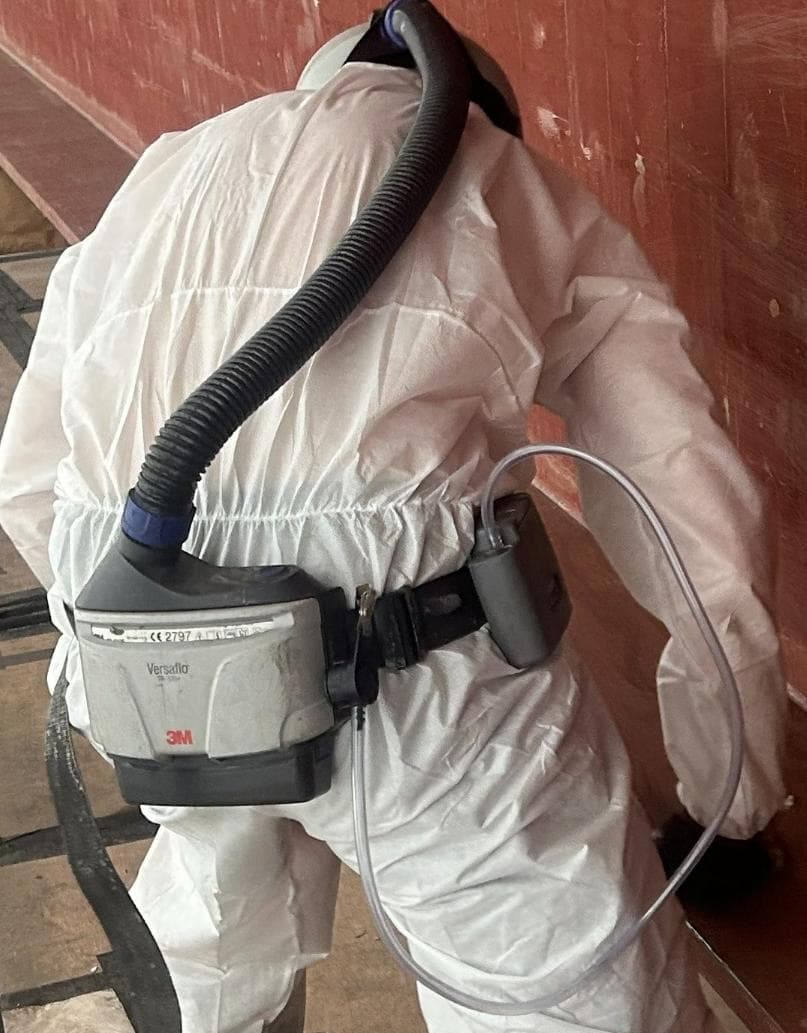
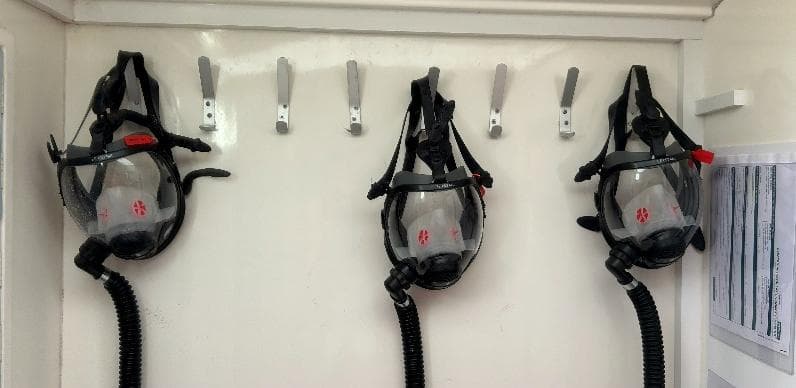
- Air monitoring was carried out using personal and area monitors. The sampling head was placed directly next to the mask air input, so it was representative of the air drawn into the powered respirator.
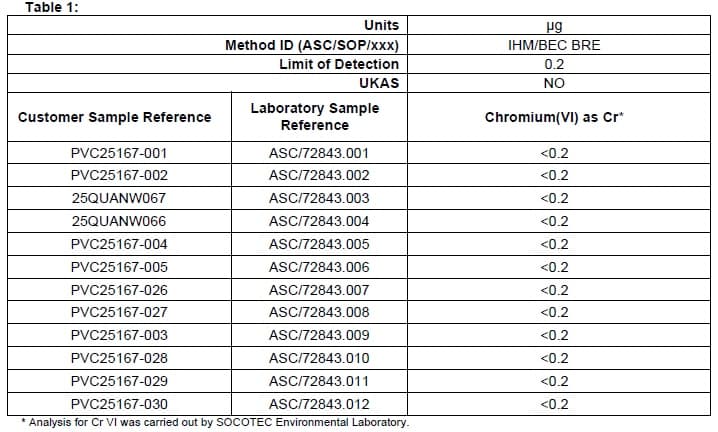
- Air filters were analysed at a UKAS-accredited laboratory, which found Cr(VI) below the detection limit of 0.2 µg.
- Health screening found that all operatives' blood levels were within the normal range.
Outcomes
- 900 m² of steelwork was stripped and repainted in nine weeks.
- A type HM1 system was applied at 400 µm in line with CC487 Maintenance Painting of Steelwork.
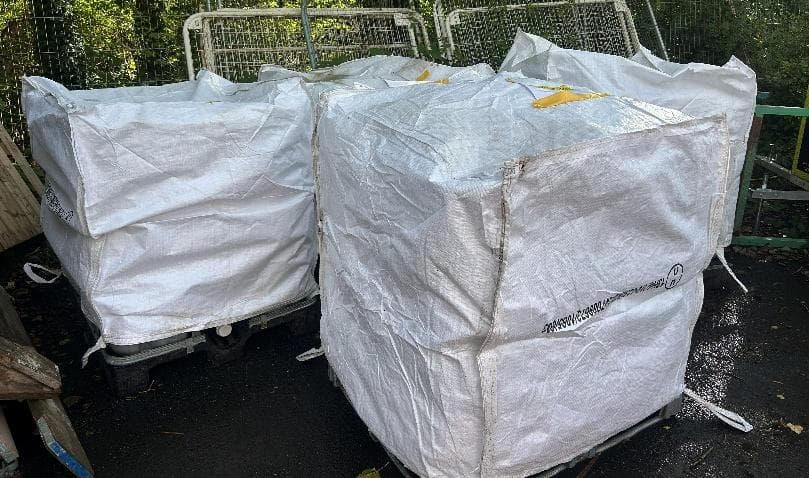
- Following cleaning, all waste was double-bagged and sealed. Three one-tonne IBCs held all the waste produced; had the steelwork been blasted, 20–25 tonnes of contaminated grit would have been produced.
- All work was carried out within COSHH guidelines and followed ALARP principles, protecting both the operatives and the environment.